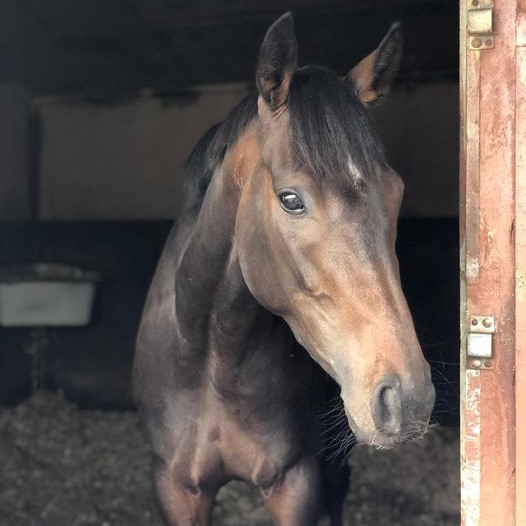
EQUINE OSTEOPATHY
Horses struggle to tell us when they are feeling sore or stiff. The telling signs of discomfort and changes an owner might notice can include:
- Changes in behaviour:
- bucking
- rearing
- increased sensitivity
- head shy
- irritability
- trouble when doing the girth up or putting a saddle on etc
- Hollowing the back
- Refusing or knocking down poles
- Difficulty flexing/bending & resistance to the bridle
- Reluctance moving forward or poor impulsion
- Difficulty with transitions or shifting lameness
- Mobility changes after trauma or injury
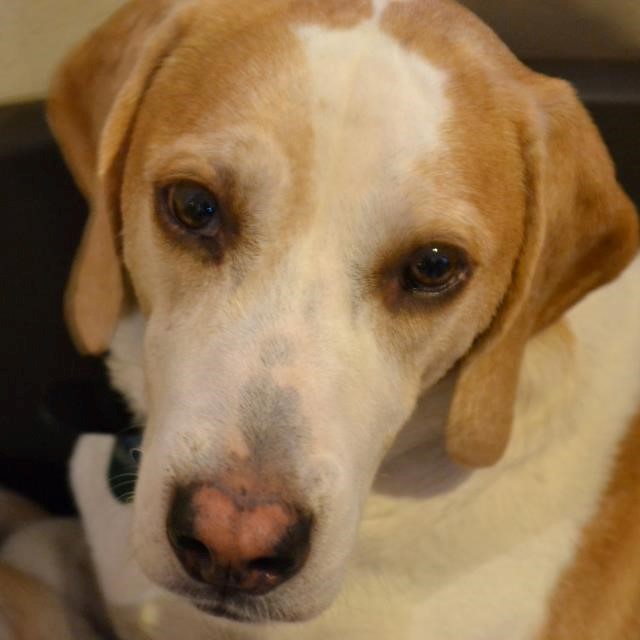
CANINE OSTEOPATHY
Dogs are not able to tell us when they are in pain. The changes an owner might notice can include:
- Changes in behaviour:
- biting
- growling
- laying on one side only
- irritability towards other dogs or people
- not wanting to move, climb stairs or jump into the car
- Abnormal posture or gait
- General stiffness or difficulty with mobility
- Sensitive to touch or grooming
- Worsening performance
- Undefined lameness or slowness in moving
- Slow recovery from injury
When you notice any of the above symptoms it is important to first seek veterinary advice, once any sign of pathology has been ruled out then osteopathic treatment may be the way to help.
For more information on the benefits of treatment please see the WHAT IS OSTEOPATHY section.
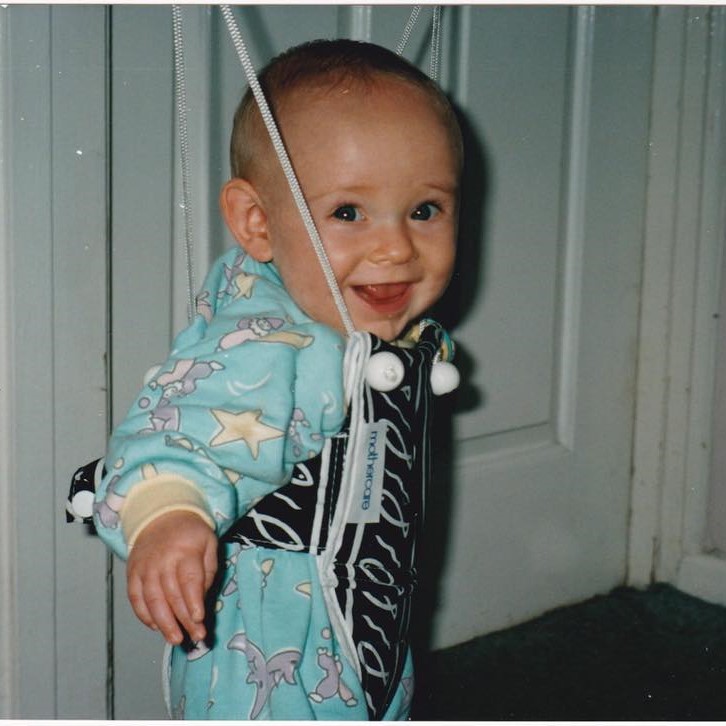
OSTEOPATHY FOR BABIES
Osteopathy for babies is very similar to that of adults, however the techniques used are a lot more gentle and subtle. These include stretching, massage, cranial and more.
A babies bones are not fully formed until the child is between 13-18 years old. Therefore the methods are always very gentle, but nonetheless require specialist skill and knowledge to perform. This can help to release or balance areas of tension, helping to relax, soothe and allow better movement.
Common things a parent may notice:
- Tension/pain whilst feeding in certain positions
- Favouring turning the head one way particularly when sleeping
- Difficulties with digestion
- Struggling to lay them on their back
- Generally seeming unsettled
- Excessive crying
- Reduced sleep
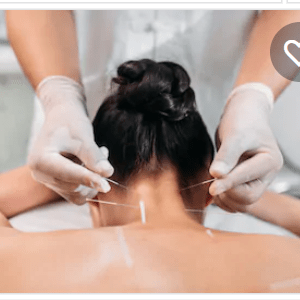
ACUPUNCTURE / DRY NEEDLING
Acupuncture / dry needling is where a therapist inserts a very fine needle, which then leads to the relief of pain. It may also encourage the body to heal and repair itself.
It works by stimulating the nerves in the skin and muscle, releasing endorphins and serotonin (the natural pain killers in the body). It can also aid in tissue relaxation and regeneration as well as lowering blood pressure or heart rate.
Common problems acupuncture can help with:
- Back and Neck pain
- Headaches
- Stress related problems/tension
- Pain relief from musculoskeletal problems
- Tendonitis
- Frozen shoulder
- Menstrual pain
- Sciatica
CRANIAL OSTEOPATHY
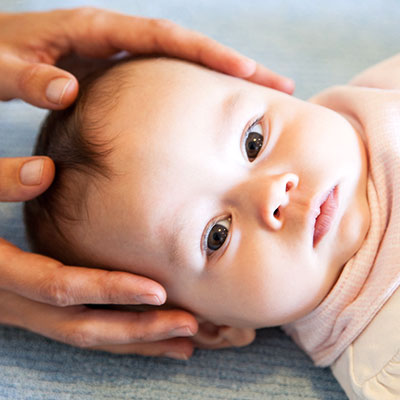
Cranial Osteopathy is a very gentle specialist technique within Osteopathy. This technique is particularly useful when treating babies. Cranial can be helpful for those who are ‘unsettled’ or stressed. It works with the body’s involuntary mechanisms, to restore a calming balance to the natural rhythms of the body.
The treatment seeks to encourage the release of tension throughout the body, potentially relieving stress. Although this technique is gentle, it is very effective.
The Involuntary Motion/ Cranial Rhythm : This motion or rhythm is a changing movement that is felt (by a cranial osteopath) throughout all of the tissues in the body. It was first discovered in the early 20th century by Dr W.G. Sutherland, and subsequent scientific tests confirmed its existence by the 1970’s. It is a very small and subtle movement, almost as if you were to imagine a smaller and slower secondary breathing cycle. Tensions within the body can slow this rhythm.
Human Horse and Hound Osteopathy
kdayosteo@outlook.com
+447594773273
Copyright Human Horse and Hound Osteopathy – All rights reserved
 Human Horse and Hound Osteopathy